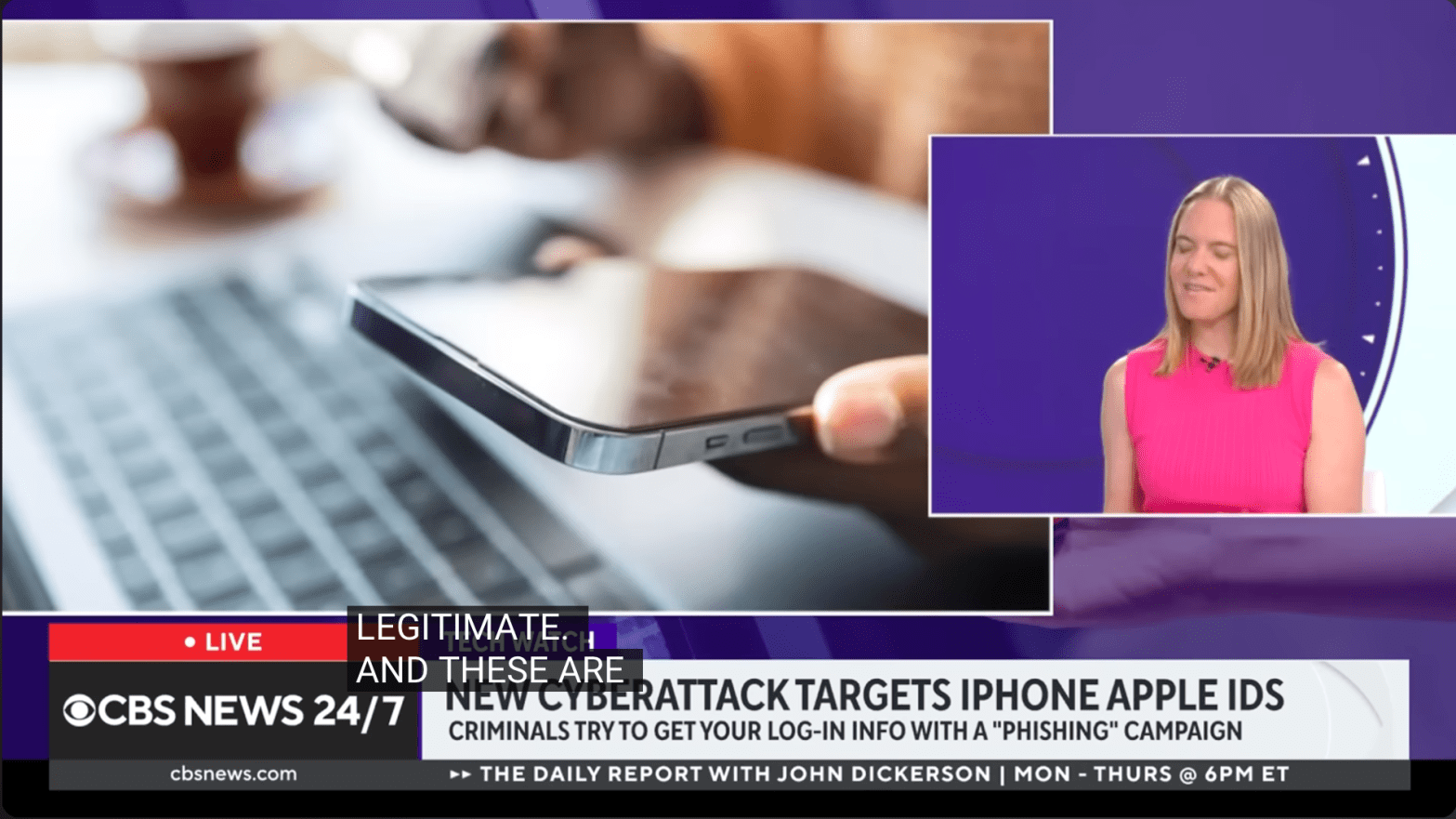
Cyber criminals are sending malicious texts to iPhone users in a phishing scam for their Apple ID information, according to officials from security software company Symantec. CBS MoneyWatch reporter Megan Cerullo has more. (Learn More)
Author Archives: virginiasmp
GA family’s entire savings account wiped out in seconds by criminals
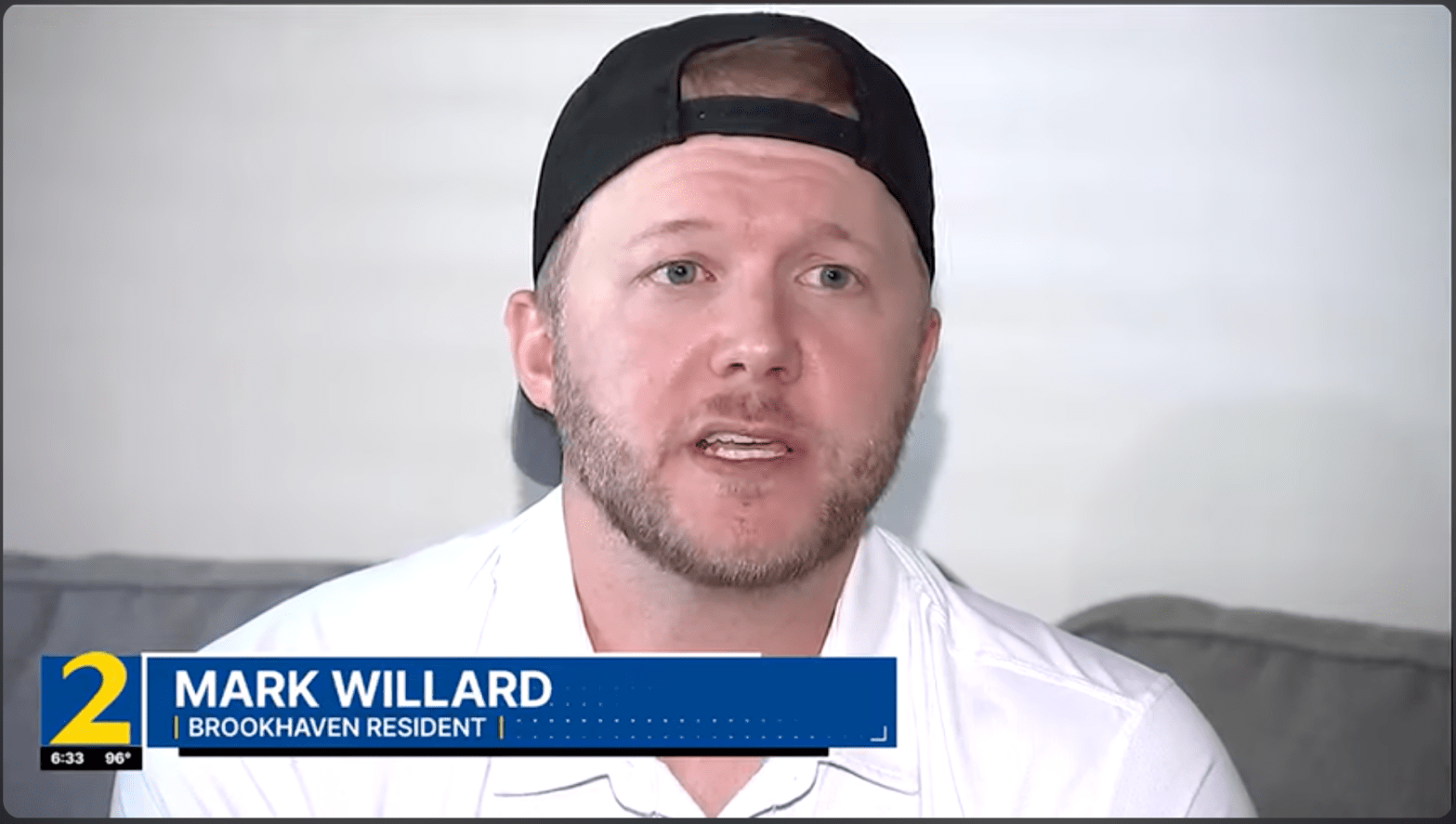
A Georgia family’s savings account was wiped out in seconds after they got a call from what they thought was the fraud department at their bank. (Watch Video)
Package Delivery Problem? Maybe Not. Americans Are Swamped With Scam Texts
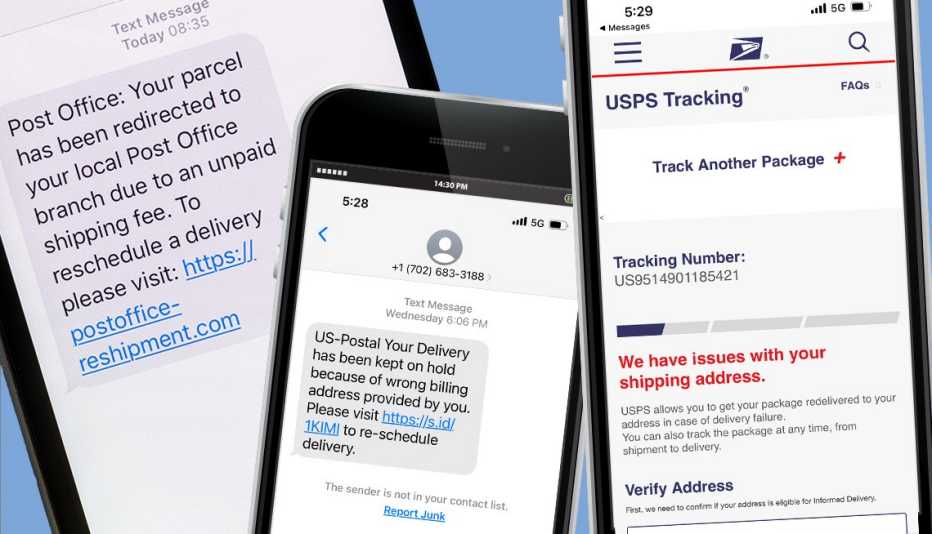
You’ve surely received one (if not dozens) of these texts, noting that your U.S. Postal Service, UPS or FedEx delivery has been kept on hold because of an issue with your address, insufficient postage, or nobody was home to receive it. Just visit [a link will usually be included here] to provide more information, payContinue reading “Package Delivery Problem? Maybe Not. Americans Are Swamped With Scam Texts “
Doctor Convicted in $70 Million Scheme

Dr. David M. Young was convicted for causing the submission of over $70 million in fraudulent claims to Medicare for medically unnecessary orthotic braces and genetic tests ordered through a telemarketing scheme. According to court documents and evidence presented at trial, Young signed thousands of medical records and prescriptions for orthotic braces and genetic testsContinue reading “Doctor Convicted in $70 Million Scheme”
What to Know About the Latest Amazon-Impostor Scams

Scams are epidemic these days as criminals use every conceivable avenue to separate consumers from their cash. It makes sense that they frequently pretend to be big companies or institutions affiliated with millions of people (potential victims, in their minds): the Internal Revenue Service, the Social Security Administration, big banks such as Wells Fargo and Chase — or massiveContinue reading “What to Know About the Latest Amazon-Impostor Scams”
Update: Hospice Owner Sentenced
In an update to an April 19, 2023, story, Kristal Glover-Wing was sentenced to six years in prison, followed by three years of supervised release, for conspiracy to commit health care fraud and three counts of health care fraud. She was also ordered to pay almost $3.7 million in restitution. Read a Department of Justice pressContinue reading “Update: Hospice Owner Sentenced”
Bank Impersonation Is the Most Common Text Scam: What You Need to Know

Last year, Pittsburgh resident Molly Sinclair, 54, suddenly received ominous-sounding messages from two local banks where she’s a customer. One warned her that her account had been locked because of unusual activity, and instructed her to click a link in order to verify the transaction. The other simply said that her account was locked, andContinue reading “Bank Impersonation Is the Most Common Text Scam: What You Need to Know”
“Free solar panels” can cost you big time! How to spot a phony offer and find a trustworthy business

If you want solar panels, be very careful when evaluating installation offers. Con artists use misleading sales tactics and lies to trick homeowners out of money and personal information. If you’ve received an offer for “free solar panels,” it could be a scam. Always look for businesses you can trust – like Accredited Businesses using theContinue reading ““Free solar panels” can cost you big time! How to spot a phony offer and find a trustworthy business”
NEW SCAM ALERT: Inspector General’s Office Warns: Hybrid Scams on the Rise
Scammers are compounding tactics by using fake Amazon or PayPal tech support emails and text messages to get you to connect with an imposter Social Security Administration (SSA) employee who will try to convince you that your Social Security number (SSN) or record is compromised. The email or text message claims that something is wrongContinue reading “NEW SCAM ALERT: Inspector General’s Office Warns: Hybrid Scams on the Rise”
Is that person you met online really a military servicemember…or a scammer?
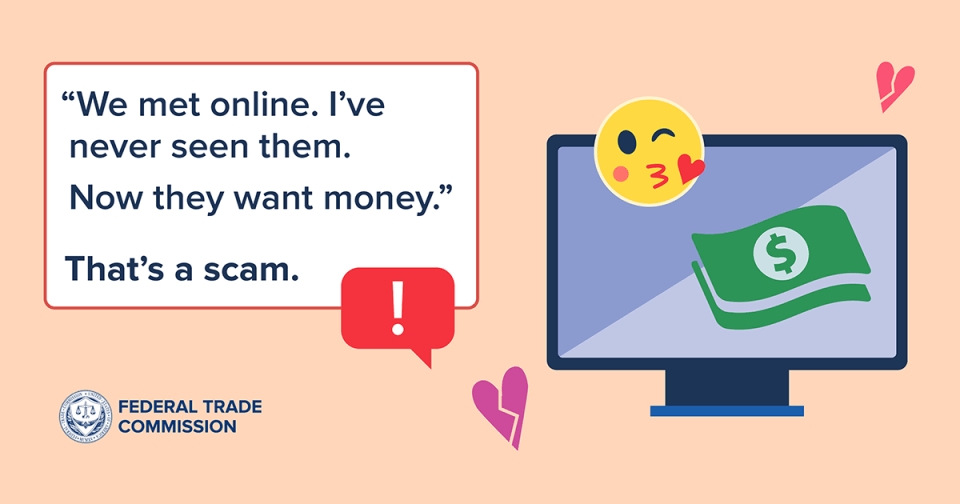
If you meet someone on social media or a dating website or app, how can you tell if their profile is real? They say they’re in the military — but scammers especially like to pose as military servicemembers stationed overseas. What’s the best way to spot a fake? (Read More)
 The Virginia SMP